![Room9er ["Room Niner"]:](https://room9er.com/wp-content/uploads/2020/03/cropped-Screen-Shot-2020-03-08-at-3.16.16-PM.png)
Cardiovascular Review Questions – Dr. Ballew
- Reviewed ITE/Board style questions
Cardiology Review: Tachyarrhythmia Case – Dr. Roberts
- Great review of a patient who presented with a tachyarrhythmia
- Discussed general strategy for how to approach the tachycardic patient
- Reviewed multiple causes of narrow and wide complex tachycardic arrythmias
- Reviewed acute pharmacologic and non-pharmacologic methods for treating tachyarrhythmias
- Reviewed risk assessment tools such as CADS-VASC and HAS-BLED
- Discussed cardioversion and defibrillation
EKG Review – Dr. Stanforth
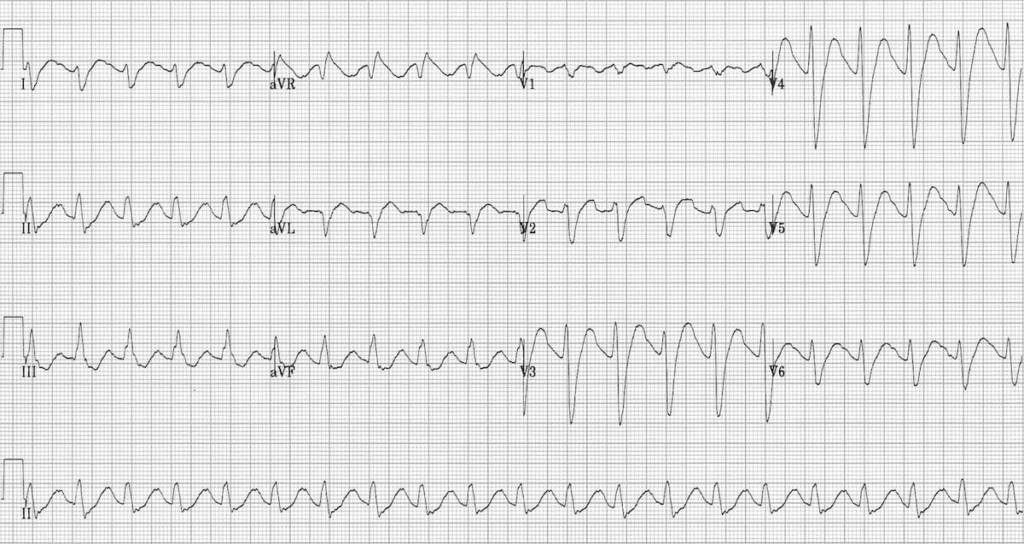
- Reviewed EKG cases from LITFL
Priapism – Dr. Stanforth
- Lecture followed by procedural SIM
- Discussed ischemic vs nonischemic priapism
- Reviewed risk factors and common causes of priapism
- Reviewed anatomy of penis in preparation for Dorsal Penile Nerve Block and Aspiration +/- Irrigation
- Reviewed alternatives including phenylephrine injections or OR intervention as well as disposition
- Discussed risks/benefits, alternatives (as above), equipment and how to properly perform nerve block and aspiration procedure
- Practiced aspiration during SIM
GU Trauma – Dr. Kuzel
- Non-op management is increasing, but operative management still gold standard
- Renal trauma:
- High energy blunt trauma is most common
- Best test: CT Abdomen and Pelvis w/ contrast
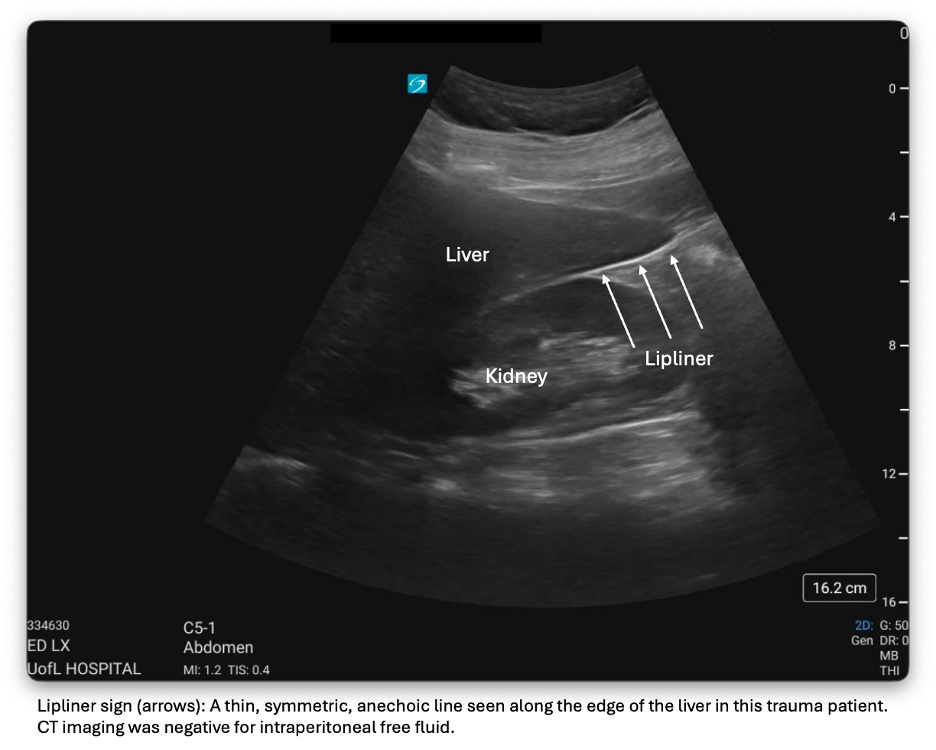
- FAST is limited in renal and retroperitoneal injuries
- Grade II renal lacerations or higher = admission to trauma
- Grade I – III usually non-operative injuries
- Gross hematuria OR microscopic hematuria + shock = CTAP w/ contrast
- Ureter Trauma:
- 90% are penetrating trauma
- Best test: Retrograde Pyelography
- Urinalysis often does not show hematuria and even CTAP w/ contrast can be unhelpful
- Ex-lap 88.9% sensitive causing increased nephrectomy rate
- Treatment is always operative (consult urology), but high likelihood of complications (fistula, abscess, peritonitis, urinary leakage)
- Bladder Trauma:
- High mortality (concomitant injuries)
- Mechanism: direct blow to distended bladder
- Best test: Retrograde cystogram
- Gross hematuria + pelvic fracture = retrograde cystogram
- Urethral Trauma:
- Anterior vs Posterior injuries
- Anterior = operative
- Posterior = Place suprapubic catheter
- Mechanism: straddle injuries or blunt trauma
- Blood at urethral meatus = anterior urethral injury
- Best test: Retrograde urethrography
- Prostate exam is unreliable to evaluate urethral injury
- Anterior vs Posterior injuries
- Testicular or scrotal trauma
- Best test: Doppler U/S
- Consult urology
- Testicular rupture = OR
- Penile Trauma
- Zipper entrapment most common
- Penile Fracture:
- Rupture of corpus cavernosum from forceful bending
- Mechanism: intercourse
- Consult Urology for operative management
- Penile Amputation:
- Usually self-inflicted
- Operative management
- Discussed Peyronie’s Disease and Foreign Bodies