Conference Notes 3/18/2026

Methemoglobinemia 

Background:

  • Methemoglobin refers to ferric form of hemoglobin (Fe3+) that is unable to bind O2
  • Suspect in any patient with cyanosis not responsive to supplemental O2

Causes:

  • Rarely congenital, NADH reductase deficiency – unable to reduce ferric to ferrous iron (Fe3+ → Fe2+)
  • Exposure to oxidizing agent
    • Benzocaine and other local/topical anesthetics
    • Nitrites, nitrates, well water (nitrates)
    • Antimalarials
    • Quinolones
    • Dapsone
    • Aniline dyes
    • Phenazopyridine
    • Sodium nitrite toxicity

Evaluation:

  • Oximetry is inaccurate because methemoglobin (MetHb) absorbs light at both 660 nm (red) and 940 nm (infrared) wavelengths approximately equally. This causes the pulse oximeter to fail to distinguish it from oxygenated hemoglobin, resulting in a characteristic, fixed, and falsely low SpO2 reading of around 85%,
  • Lack of improvement in oxygen saturation with high-flow oxygen plus discrepancy in oxygen saturation >5% between measurements by ABG vs pulse oximetry (“saturation gap”) 
  • Diagnosis confirmed by measuring level of methemoglobin in blood
  • Normal PaO2
  • SpO2 will initially be falsely elevated
    • Once MetHb >30% → SpO2 will fall to 80-85%
    • Mid-80s SpO2 due to light absorption of both oxyHb and deoxyHb
  • “Chocolate brown” color of blood

Management:

  • High-Flow Oxygen
  • Methylene Blue
  • Treat if symptomatic OR asymptomatic with MetHb >25%
    • 1-2mg/kg Methylene blue IV over 5min; repeat dose if no effectImprovement seen within 20min
    • Contraindicated in G6Pd deficiency (may cause hemolytic anemia)
  • Other treatment modalities
    • Exchange transfusion for symptomatic methemoglobinemia in patient with G6PD deficiency
    • Hyperbaric O2 when methylene blue ineffective or contraindicated
    • IV hydration and bicarbonate for metabolic acidosis

Dispo:

  • Admit, likely ICU consider Floor if stable

Blood Transfusion Complications 

1. Acute Hemolytic Transfusion Reaction (AHTR)

Cause: ABO incompatibility (most dangerous; clerical error)

Pathophysiology:

  • IgM-mediated → complement activation → intravascular hemolysis 

Presentation (minutes):

  • Fever, chills 
  • Flank/back pain 
  • Hypotension 
  • Hemoglobinuria → dark urine 
  • DIC possible 

Labs:

  • ↑ LDH, ↑ bilirubin 
  • ↓ haptoglobin 
  • Positive direct Coombs 

Management:

  • STOP transfusion immediately 
  • Aggressive IV fluids 
  • Maintain urine output 
  • Treat DIC if present 

 2. Febrile Non-Hemolytic Transfusion Reaction (FNHTR)

Cause: Cytokines or recipient antibodies to donor leukocytes

Presentation:

  • Fever ± chills 
  • No hemolysis 

Management:

  • Stop transfusion (initially to rule out AHTR) 
  • Antipyretics 
  • Prevention: leukoreduced blood 

 3. Allergic Reactions

Mild:

  • Urticaria, pruritus 

Management:

  • Antihistamines → may restart transfusion 

Severe (Anaphylaxis):

Cause: IgA deficiency with anti-IgA antibodies

Presentation:

  • Hypotension 
  • Bronchospasm 
  • Angioedema 

Management:

  • Epinephrine 
  • Avoid future IgA-containing products 

 4. Transfusion-Related Acute Lung Injury (TRALI)

Cause: Donor anti-leukocyte antibodies → neutrophil activation

Timing:

  • Within 6 hours 

Presentation:

  • Acute hypoxia 
  • Noncardiogenic pulmonary edema 
  • Bilateral infiltrates 

Key distinction:

  • Normal BNP 
  • No volume overload 

Management:

  • Supportive (oxygen, ventilatory support) 

5. Transfusion-Associated Circulatory Overload (TACO)

Cause: Volume overload

Presentation:

  • Dyspnea 
  • Hypertension 
  • Pulmonary edema 

Key distinction from TRALI:

  • Elevated BNP 
  • Signs of fluid overload 

Management:

  • Diuretics 
  • Slow transfusion rate 

 6. Delayed Hemolytic Transfusion Reaction

Cause: IgG antibodies (e.g., Kidd, Duffy)

Timing:

  • Days to weeks 

Presentation:

  • Mild fever 
  • Anemia 
  • Jaundice 

Management:

  • Usually supportive 

7. Transfusion-Associated Graft-versus-Host Disease (TA-GVHD)

Cause: Donor T cells attack recipient

Risk:

  • Immunocompromised 

Presentation (days–weeks):

  • Fever 
  • Rash 
  • Diarrhea 
  • Pancytopenia 

Prevention:

  • Irradiated blood products 

Prognosis:

  • Often fatal 

 8. Infectious Complications

Examples:

  • Bacterial (platelets highest risk) 
  • Viral: HIV, Hepatitis B/C (rare now) 

Presentation:

  • Fever, sepsis 

9. Metabolic Complications

Hypocalcemia

  • Citrate binds calcium 
  • → Tetany, arrhythmias 

Hyperkalemia

  • Stored blood leaks K⁺ 

Hypothermia

  • Large-volume transfusion 

Conference Notes 3/11/2026

Rheumatic Fever

Pathophysiology:

  • Inflammatory disease occurring 2–4 weeks after an untreated group A strep infection (strep throat or scarlet fever), primarily affecting children aged 5–15
  • Connective tissue of heart, joints, CNS, subcutaneous tissues are targeted by immune reaction

Clinical Features:

  • Polyarthritis, pericarditis, Sydenham’s chorea, erythema marginatum, nodules

Workup:

  • CMC, CMP, ESR, CRP
  • ASO (Antistreptolysin O) titer Elevated 1week to 1 month after GAS infection
  • Anti-DNase B titer is elevated longer than ASO and may be useful for patient presenting later than 2-4 months or with a negative ASO
  • ECG – Looking for prolonged PR or other AV block
  • CXR
  • Echocardiogram

Management:

  • Eliminate underlying streptococcus bacteria with antibiotics (penicillin), reducing inflammation, pain, and fever with aspirin or other NSAIDs. Consider corticosteroids for heart inflammation.
  • Long-term, secondary prevention with regular antibiotic injections (Penicillin G IM x1 month) to prevent recurrence and heart damage

Tumor Lysis Syndrome

Overview:

  • Occurs when large numbers of cancer cells die and release their contents into the circulatory system
  • Usually with onset of new chemotherapy or high tumor burden.
  • -K, Phosphate, calcium, nucleic acids -> urine acid, proteins
  • Can lead to AKI and renal failure
  • Usually within 72 hours, can have later presentation up to 10 days (i.e.. Immune checkpoint inhibitors)
  • Laboratory or clinical diagnosis

Risk factors:

  • Cancer type (NHL, Lymphoma, AML, and ALL most common).
  • Solid tumors with high tumor burden
  • Age, kidney function, dehydration, renal and CNS involvement, presence of mediastinal mass, LDH >2x upper limit of normal indicates rapid cell turnover

Clinical Presentation:

  • Nonspecific, commonly involved the renal, neurological, and cardiac systems
  • Trousseau-muscle spasm with inflation of BP cuff = hypocalcemia

Workup:

  • CBC, CMP, Phosphorus, Calcium, Uric Acid, LDH, EKG, UA
  • Cairo-Bishop Diagnostic Criteria

Management:

  • Treat electrolyte derangements, IVF (2-3x maintenance fluid dose), manage uric acid (rasburicase or allopurinol)
  • Consult Heme Onc, Renal
  • Likely admit

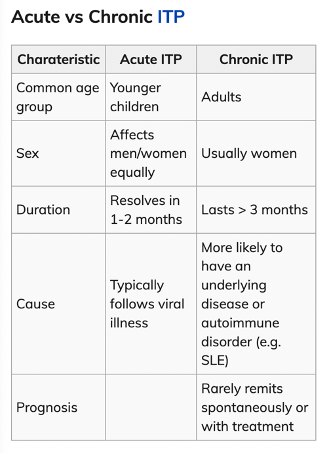
ITP (Immune Thrombocytopenic Purpura) Case

Overview:

  • Immune mediated destruction of platelets
  • Primary (idiopathic) vs Secondary (part of larger pathology or medications)
  • Presentation: Petechia, purpura, epistaxis, gingival bleeding, mouth lesions, acute bleeds
  • Thrombocytopenia plt < 100 with no change in other cell lines
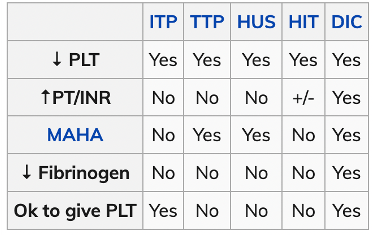
  • Need to differentiate between others (ITP, HIT, HUS, TTP, DIC)


Treatment:

  • Minor OR Platelet < 30: Dexamethasone 40 mg IV
  • Severe: Dexamethasone 40 mg IV, IVIG 1g/kg, Plt transfusion (goal 50-100), splenectomy?
  • Treatment same in pregnant patients and pediatrics.

Diving Medicine

Key History to Obtain:

  • Dive depth
  • Dive duration
  • Number of dives
  • Ascent rate
  • Safety stops performed
  • Time since surfacing
  • Air source
  • Prior dive illness
  • Look at diving watch to obtain this data quickly

1. Decompression Sickness (DCS)

Related to nitrogen bubble formation during ascent.

Mechanism:

  • Increased pressure underwater dissolves nitrogen into tissues.
  • Rapid ascent → nitrogen comes out of solution → bubbles form in blood/tissues.

Types:

Type I (Mild)

  • Musculoskeletal pain (“the bends”)
  • Joint pain (shoulder, elbow, knee most common)
  • Skin findings
    • Pruritus
    • Mottled rash (cutis marmorata)

Type II (Severe): Involves neurologic, pulmonary, or vestibular systems

  • Weakness
  • Paresthesia
  • Paralysis
  • Ataxia
  • Bladder dysfunction
  • Confusion
  • Vertigo
  • Hearing loss

Pulmonary form (the chokes):

  • Chest pain
  • Cough
  • Dyspnea

Diagnosis: Recent dive (usually within 6–24 hours), Compatible symptoms

Treatment:

  1. 100% Oxygen
  2. IV fluids
  3. Supine positioning
  4. Immediate hyperbaric consultation
  5. Recompression therapy

Hyperbaric therapy dramatically improves outcomes.


2. Arterial Gas Embolism (AGE)

Most dangerous diving emergency.

Mechanism

  • Rapid ascent → lung overexpansion → alveolar rupture
  • Air enters pulmonary veins → systemic embolization

Presentation (often within minutes of surfacing)

Neurologic symptoms:

  • Stroke-like deficits
  • Seizures
  • Altered mental status
  • Paralysis
  • Vision changes

Other symptoms:

  • Chest pain
  • Dyspnea
  • Cardiac arrest

Treatment:

Same as severe DCS:

  1. 100% Oxygen
  2. Hyperbaric recompression (urgent)
  3. IV fluids

3. Barotrauma

Occurs when air spaces cannot equalize pressure.

Ear Barotrauma (Most Common)

-Severe ear pain with descent. If ears are not equalized, pressure builds and eustachian tube collapses. Clear ears on water entry and often during dive.

Symptoms:

  • Ear pain
  • Hearing loss
  • Vertigo
  • TM rupture

Exam:

  • Hemotympanum
  • TM perforation

Treatment:

  • Analgesia
  • ENT follow-up
  • Avoid further diving
  • Give antibiotics only for perforated TM

Sinus Barotrauma

Symptoms:

  • Facial pain
  • Epistaxis
  • Sinus pressure

Treatment:

  • Decongestants
  • Analgesia

Pulmonary Barotrauma

Causes:

  • Pneumothorax
  • Pneumomediastinum
  • Arterial gas embolism

Symptoms:

  • Chest pain
  • Dyspnea
  • Subcutaneous emphysema

Treatment:

  • Manage pneumothorax
  • Oxygen
  • Hyperbaric if embolism suspected

4. Nitrogen Narcosis

Occurs at depth >30 meters (~100 ft).

Symptoms:

  • Euphoria
  • Poor judgment
  • Confusion
  • Impaired coordination

Treatment:

  • Ascend to shallower depth

Symptoms resolve quickly, it is safe to continue diving after resolution of symptoms.


Immediate ED Management

  1. High-flow oxygen
  2. IV fluids
  3. Neurologic exam
  4. Call hyperbaric center
  5. Transport if needed

In the U.S., consultation is often through:

  • Divers Alert Network, they assist with hyperbaric referral and organizing transfer

Board Pearls

  • Any neurologic symptom after diving = assume AGE or DCS → hyperbaric therapy
  • Symptoms within minutes of surfacing → think AGE
  • Symptoms hours later → think DCS
  • Joint pain after diving = DCS Type I
  • Stroke-like symptoms after diving = AGE until proven otherwise

Immunosuppression and Transplant

Common ED patients:

  • Solid organ transplant
  • Bone marrow transplant
  • Chemotherapy
  • Chronic steroids
    (>20 mg prednisone daily for >2 weeks)
  • Advanced HIV
  • Biologic therapy

Common immunosuppressive drugs:

  • Typical regimen includes: calcineurin inhibitor + antimetabolite + steroid
  • Calcineurin inhibitor (Cyclosporine, Tacrolimus)
  • Steroids
  • +/- Antimetabolite (Azathioprine, Mycophenolate mofetil)

Solid Organ Transplant Rejection:

  • Hyperacute (Minutes–hours)
  • Acute Rejection (Weeks–months)
  • Chronic Rejection (Months–years)

Organ-Specific Rejection Clues:

Kidney Transplant:

  • Rising creatinine
  • Decreased urine
  • Hypertension

Liver Transplant:

  • Fever
  • RUQ pain
  • Elevated LFTs
  • Jaundice

Heart Transplant:

  • Dyspnea
  • Heart failure symptoms
  • Arrhythmias
  • Because transplanted hearts are denervated, they may NOT present with typical chest pain.

Neutropenic Fever:

  • ANC <500 OR <1000 with predicted nadir of <500 in 48h AND
  • Fever ≥ 38.3˚C (100.9˚F) once OR sustained temperature ≥38 (100.4) for >1hr

Conference Notes 03/04/26

Thrombotic Thrombocytopenic Purpura (TTP)

Pathophysiology:

  • Insufficient ADAMTS-13 activity allows vWF multimers to accumulate in microcirculation which leads to platelet aggregation/thrombocytopenia and hemolysis of RBCs. 

Risk Factors:

  • Congenitally deficient ADAMTS-13 activity AND:
    • Pregnancy OR
    • Infection OR
    • Inflammation OR
    • Medication use (quinolones, ticlopidine, clopidogrel)

Clinical Features:

  • Microangiopathic Hemolytic Anemia
  • Thrombocytopenia
  • Fever
  • Renal pathology
  • CNS abnormalities (headache, seizure, altered mental status, CVA, coma)

TTP pentad mnemonic = FAT RN

  • Fever, Anemia, Thrombocytopenia, Renal, Neuro Symptoms

Workup:

  • CBC with peripheral smear (anemia, microspherocytes, thrombocytopenia are suggestive findings)
    • Microangiopathic hemolytic anemia produces schistocytes
  • LDH (elevated)
  • Haptoglobin (decreased)
  • Reticulocyte count (appropriate)
  • UA (hemoglobinuria)
  • Creatinine (possibly elevated)
  • LFT’s (increased bilirubin)
  • PT/PTT/INR (normal; differentiates from DIC)
  • Urine pregnancy (significant association between pregnancy and TTP)

Management:

  • Heme Onc Consultation, Plasma exchange, FFP Transfusion, Glucocorticoids

Aplastic Anemia

Etiology:

  • Absence or decreased number of hematopoietic precursor cells → pancytopenia (anemia, thrombocytopenia, neutropenia)
    • Drug induced, viral infection, autoimmune, congenital

Presentation:

  • Anemia (weakness, fatigue, dyspnea), Thrombocytopenia (mucosal bleeding, petechiae, ecchymosis), Neutropenia (recurrent infection, fever)

Workup:

  • CBC (pancytopenia), CMP, Reticulocyte Count (reduced or absent), peripheral smear, LDH, Haptoglobin, consider viral serologies

Management:

  • Heme Onc consultation for all new cases, especially if severe
  • Transfuse PRBS/platelets as needed for severe anemia/thrombocytopenia

Angioedema

Etiologies:

  • Mast cell activation/Histamine-mediated
    • Allergic angioedema: IgE-mediated type I hypersensitivity
  • Bradykinin-mediated
  • Hereditary angioedema: Congenital or acquired loss of C1 esterase inhibitor
  • Due to C1 esterase inhibitor deficiency
  • Leads to unregulated activity of vasoactive mediators (bradykinin) associated with complement pathway
  • Autosomal dominant
  • ACE-Inhibitor induced angioedema: ACE-I adverse reaction from excessive bradykinin
  • Unknown/idiopathic

Differentials: Anaphylaxis, Contact dermatitis, cellulitis, tonsillitis/uvulitis, PTA, retropharyngeal infection

Clinical features:

  • Affects loose connective tissue (face/lips/throat, extremities, genitalia, bowel wall)
  • Not gravitationally dependent
  • Onset minutes to hours, Resolution hours to days

Workup:

  • Testing not always needed, UTD recommends CBC, CMP, ESR/CRP, C4 level (c4 level +/- c1 inhibitor antigen testing used for future diagnosis, not part of ED management)
  • Imaging not typically needed unless concern for concurrent dx (i.e. infection, abscess)

Management:

  • General: Epi, Glucagon, TXA, FFP
  • Hereditary/C1 acquired deficiency: Purified C1 inhibitor, kallikrein inhibitor, bradykinin b2, orally available Kallikrein
  • FFP- can be used if other aren’t available.

Intubation strategies:

  • Anticipate difficult airway, have backup available if possible
  • Be prepared for being unable to oxygenate and ventilate, be ready to perform cric
  • Be as gentle as possible- tissue is friable, irritation will cause more swelling.
  • Consider intubation early-angioedema can surprise you and progress very rapidly.
  • Consider intubation very early in post-TNKase cases, as cric could be devastating
  • Digital (tactile) intubation strategy: Use the non-dominant index/middle fingers to palpate the epiglottis, directing a boujie or ETT into the trachea. 

Dispo:

  • No consensus on timing needed for obs. If stable need to be observed until signs of improvement. Most non-allergic angioedema does not fluctuate in severity.
  • Consider admission: If partly allergic picture, high risk body part (airway), poor social situation
  • Consider transfer: Low resource facilities, no advanced airway clinician except you, consider airway compromise en route (sometimes early intubation is the safest option prior to transfer)

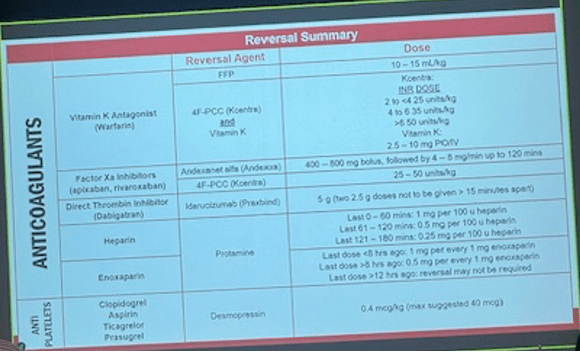
Anticoag/Antiplatelet Reversal