Lecture notes 7/29

Head and Neck Trauma – Dr. Sizemore

  • signs of basilar skull fracture: hemotympanum, raccoon eyes (intra-orbital bruising], battle sign(retroauricular bruising) or cerebrospinal fluid leak (oto- or rhinorrhea, halo/ring)
  • patients with LeFort II fractures and LeFort III fractures should have a CTA to screen for BCVI
  • penetrating neck trauma
    • Know anatomy associated with zones of neck (I,II,II)
    • Early airway control should be considered in patients with hard signs
    • Hard Signs > OR
    • Soft Signs > CTA
    • Zone I injuries can result in pneumothorax
  • do not probe wounds with active bleeding as may dislodge clot
  • if direct pressure cannot control bleeding, consider placement of a foley catheter and balloon inflation

Intro to Research: An Overview – Alyssa Thomas and Dr. Huecker

  • interns, start thinking about project ideas now. Pick something that interests you
  • remember, there are different type of “research” projects
  • human subjects
  • quality improvement
  • program evaluation
  • All members of the research team must have a valid CITI Human subjects and HIPPA research training
  • Great resource when time for writing paper : https://www.strobe-stamenent.org

Delivering Bad News – Dr. Coleman

  • These conversations are nuanced, demanding, personally impacting
  • Dr. Hueckers ABCs
  • Awareness: focus on this one thing, they know if you are distracted
  • Blueprint: have a blueprint based on studies and based on experience, then modify based on circumstances
  • Compassion: Stay composed and expect tough responses
  • SPIKES, a six step protocol/mnemonic for delivering bad news mnemonic
  • Set up (Structure)
    • mental rehearsal
    • sit down
    • control the situation
    • maintain eye contact
  • Perception/Professionalism
    • before you tell, ask
  • Invitation
    • break it down, a little at a time
  • Knowledge
    • be direct, avoid “passed away”
    •  use plain language, avoid medical jargon
  • Emotions
    • Keep your cool, safety first
  • Summary
    • Explain what happens next
    • Ask to be excused and how to reconnect

Social Media – Dr. Capocaccia       

  • Please follow us on twitter: @UofLEM and Instagram:uoflem
  • Will be posting “white board talks” and conference pearls on twitter
  • Please send Dr. Capocaccia any images pertaining to wellness that we can share on social media with applicants

How Emergency Doctors Think – Dr. O’Brien

  • classic thinking “what does the patient have?” (obtain history, perform physical exam, differential diagnosis, testing, final diagnosis)
  • in the ED, the classic model breaks down for a variety of reasons
    • chaotic environment, “anyone, anything, anytime, anywhere”
    • can average 4000 clicks over ten hour shift using EMR
    • Constant interruptions/task switching
    • Frequently responsible for ten or more patients
    • Patients are unknown
  • instead, we should ask “what does the patient need?” and whether or not any immediate action is required
  • pearls
    • Be the nicest, calmest person in the resuscitation room
    • Rule-out first: diagnose second
    • Focus on smaller list of smaller list of life threatening diseases related to chief complaint
    • If you can, sit at the bedside to collect history
    • Perform an uninterrupted physical exam
    • Avoid diagnostic testing when able using rule-use tool
    • Only order tests that will affect disposition/exclude life threatening/most likely
    • Allow 2-3 minutes of interrupted time to mentally process each patient
    • Mentally process one patient at a time to process disposition
    • You can carry many patients but try to carry a max of 5 “undecided” patients
    • Listen to nurses
    • Avoid the biggest obstacle to the correct diagnosis, the previous diagnosis
    • Avoid inheriting someone else’s thinking on a patient
    • High risk times – sign out, hand offs, high volume, fatigue
    • High risk patients – hostile, violent psych, drug abuse

Lecture Notes from 7/22

Dr. Baker – The Lecture Lecture (Tips for Giving Presentations)

  • If using powerpoint:
    • avoid wordy slides, rather use simple slides that are visually appealing that supplement content
    • when importing images, utilize websites such as Pixabay to access free high quality images
    • if using videos, do not paste link onto slide. Instead, use software such as capto to put videos directly onto slide.
    • Try creating a story board before making slides
  • Prior to presenting, record yourself
  • Stand up, move around
  • Plan to end early to allow for questions
  • See Dr. Baker’s post below for more resources

Dr. Dan Grace – Post-Intubation Desaturation (Room 9 Follow up)

  • Differential for the alarming vent/deterioration after intubation: think DOPE
  • Displacement/dislodgement –see if tube has migrated, check EtC02, obtain chest xray, video scope verification
  • Obstruction – think mucous plug, vent tube kink, make sure patient not biting down, try passing a suction catheter through tube
  • Pneumothorax – auscultation, US, chest xray
  • Equipment failure – disconnect from vent and bag, If it is “too easy” to ventilate, suggests air leak or dislodgement, if too difficult, think obstruction.
  • Other things to consider: chest wall rigidity from fentanyl → give Narcan and breath stacking →disconnect vent and apply pressure to chest

Cordis and Subclavian Central Line Sim– Dr. Webb and Davenport

  • Cordis: aka sheath introducer, preferred catheter in hemorrhagic shock resuscitation, provides faster flow rate given large diameter and short length
  • Also used for transvenous pacing in unstable bradycardia
  • The steps differ from those of a triple-lumen central line, in that the dilator and catheter are inserted together into the vessel.
  • Subclavian Central Venous Access – Ideal for trauma patients with pelvic and intra-abdominal injuries and c-collar
  • Contraindications -significant trauma or injury to the clavicle or first rib. And If there is concern for coagulopathy or thrombocytopenia, arterial injury is dangerous, as this site is non-compressible
  •  Locate a spot 1-2cm below the clavicle where the proximal 1/3 and distal 2/3 of the clavicle meet. The needle should travel parallel to the floor towards the suprasternal notch. Use the contralateral hand to provide downward traction on the needle tip to facilitate clearance of the inferior edge of the clavicle.

Dr. Adam Ross – Percutaneous Pigtail Catheters for Spontaneous Pneumothorax

  • essentially 14 Fr chest tubes with curved tip that is inserted using Seldinger technique and is less traumatic/painful to patient than traditional chest tubes
  • important to secure the ipsilateral arm above the patient’s head using soft restraints
  • two options for insertion: target at or above the 4th/5th intercostal space along the anterior axillary line as in traditional chest tubes or can use an anterior approach (2nd intercostal space, midclavicular line)
  • can attach to either Heimlich valve or chest drainage system to suction post-instertion
  • guidelines recommend against prophylactic antibiotics except in cases of trauma, where there are conflicting data.
  • See Dr. Ross’s post below for resources

Pigtail Links/References

Here are the links to the videos/references from my Pigtail Lecture today:

https://www.emrap.org/episode/pigtailchest/pigtailchest : This is EMRAP’s video that I showed in the lecture of Dr. Sachetti placing a pigtail in a patient.

https://vimeo.com/72761317 : This video is placement of the straight Cook catheter that we currently have.

https://emcrit.org/emcrit/pigtail-video/ : this is Dr. Weingart’s video of actual placement of a pigtail in a real patient

https://emcrit.org/emcrit/pigtails/ : this link is Dr. Weingart’s discussion of pigtails in general

Video showing setup and maintenance of Chest Tube Atrium

Lecture notes from 7/08

Abdominal Trauma, Dr. McKinney

Penetrating trauma

  • OR if unstable, peritonitis, evisceration, evidence of GI bleeding, GSW traversing peritoneum or retroperitoneum, or penetrating object still in place on arrival
  • Local exploration of anterior stab wounds can identify peritoneal violation
  • X-ray can screen for retained foreign bodies, free air under the diaphragm, or coexisting thoracic injury
  • FAST uses peritoneal free fluid as a marker for injury and cannot specifically check for retroperitoneal, diaphragmatic, solid-organ, or hollow viscus injuries.
  • DPL, although not done frequently, can be performed in patients who do not have indications for immediate laparotomy and who have an unreliable or equivocal exam.

Blunt trauma

  • unstable with positive FAST/DPL > Massive transfusion protocol, OR
  • stable with positive FAST/DPL > +/- blood products > CT
  • injuries that may be missed on CT : pancreatic, bowel/mesentery, bladder rupture, and diaphragm rupture.
  • diaphragm injury: rare, may be noted on CXR by the presence of bowel in the chest cavity, Left-sided injury more common than right because the liver is protective. Left-side injuries typically require operative intervention to prevent the herniation of abdominal contents.
  • seatbelt sign think hollow viscous injury, CT has poor sensitivity for diagnosis. Discuss case with trauma, patient will likely receive admission for serial abdominal exams
  • Splenic injury: most common injured organ in blunt trauma. Lower grades are typically nonoperative and are treated with observation
  • ecchymosis over the flank (Grey Turner sign) or periumbilical region (Cullen sign) are suggestive of retroperitoneal hemorrhage

Genitourinary Trauma, Dr. Kuzel

  • kidney: most common injured GU organ, often see gross hematuria, flank ecchymosis, and lower rib fractures. obtain CT Abd/pelvis W, GRADE I-III usually non op, discus with trauma
  • ureteral: 90% penetrating, often does not present with hematuria. CT abd/pelvis W> consult urology > surgical repair
  • bladder: associated with pelvic fractures, look for hematuria and lower abdominal/scrotal bruising.  Gold standard test: cystogram. Extraperitoneal injuries managed w/ bladder catheter drainage alone, intraperitoneal > surgical exploration/repair
  • urethral injuries: Males>Females,straddle injury mechanism, and pelvic fractures. Look for blood at meatus, swollen penis. Single attempt at foley may be attempted. Diagnosis made with retrograde urethrogram. Injuries either posterior vs anterior. Consult urology, Suprapubic catheterization may be required initially, may need OR
  • testes/scrotal – blunt: obtain Doppler US, if testicular rupture > OR. Penetrating: often undergo immediate exploration
  • penile: fracture- cracking sound, pain, discoloration > US. Amputation -have 8-12 hours for reimplantation

Chest Trauma, Dr. Selk

  • Blunt aorta injury : majoirty die in the field. Check for asymmetric pulses, diastolic murmur. CXR followed by CT chest W.  Tight HR and blood pressure control, esmolol often first choice .Surgical or endovascular repair ultimate treatment for a traumatic aortic injury
  • pulmonary contusions – SOB, tachypnea, might see patchy infiltrate on CXR, better seen on CT, tx: pulm toilet, mech ventilation in those with severe respiratory compromise
  • cardiac contusions – get EKG. if abnormal, get cardiac biomarkers. If isolated injury, okay to discharge
  • clavicle fracture – if less than age 2, think NAT
  • hemothorax – consider autotransfusion in shock

EMS Radio Communications, Dr. Orthober

  • various type of EMS agencies (fire based, private, hospital based, third service, provider, community based) and levels of providers: first responder, EMT, EMT advanced, paramedic
  • typical EMS ambulance staffing – BLS crew (EMT + EMT) or ALS crew (EMT + Paramedic)
  • Things paramedics can’t do – Chest tube, surgical cric, perimortem c-sec, central lines
  • a paramedic shall not terminate in hypothermia, cold water drowning, lightning/electrical injuries
  • in arrests, ask for end–tidal C02, ROSC unlikely if less than 10
  • for trauma patients,, ask about hypotension and achycardia, GCS?
  • for medical patients, use vitals and mental status to help guide room 9 decision
  • for stroke patients: LKN? anticoagulated? collateral riding in with them?
  • general pediatric considerations – penetrating trauma > 13 years to ULH (or look like an adult), blunt trauma > 15 years to ULH,  although this is a moving target
  • nasal intubation: remember phrase, “if in ain’t hubbed, it ain’t in”
  • don’t discount mechanism on radio
  • Kentucky EMS DNR- has to be original copy – obligated to transport to hospital without one of these

Survivalist’s Guide to the Pediatric ED, Dr. Lund

  • Add order sets to favorites, get HPI and discharge do phrases
  • Admissions: bed slip > tigertext > talk to admit team > choose dispo > order “ready for dispo”
  • asthma: avoid decadron first time wheezers, get xray first to evaluate for neck mass
  • neonatal fever (familiarize age considerations for testing/mgmt)
  • neutropenic fever- CBC, blood cultures, cefepime within 1 hour
  • healthychildren.org – good resource for normal newborn habits
  • toxic, lethargic, irritable – use the descriptions with caution
  • Tylenol 10 to 15mg/kg/dose, ibuprofen 5-10mg/kg/dose (>6 months of age)
  • high dose amoxicillin (90mg/kg/day, BID) for AOM, pneumonia
  • know 4-2-1 rule for MF calculation, typically use D5NS or D51/2NS

SANE Services, Amanda Corzine

  • male or female victims of sexual assault age 12 and older (as long as have menses)
  • Rape kit collection within 96 hours (4 days) of assault
  • currently have 100% SANE coverage by nursing staff, at all of UofL health facilities and all Norton ERs
  • same exam whether reporting or not reporting to police, kits are kept for 1 year
  • level of alertness required for exam/consent. Search warrant for unconscious patients if suspicion high
  • can go on to EPS if waiting for sane exam and otherwise medically clear, do not delay transfer
  • always collect patient underwear, external and internal vaginal swabs with vaginal assault
  • unlikely will have 24/7 SANE coverage when leaving residency, try to observe and familiar with an exam process now!
  • toulidine blue dye – adheres to injured tissue helps injury identification by as much as 60%
  • HIV PEP regimen Truvada and isentress (pharmacy can help with prescriptions at discharge)
  • do NOT accept a transfer of patient for sole purpose of SANE exam

Lecture Notes from 07/01/2020

Conference Introduction- Dr Shaw

  • Expectations
    • Come prepared
    • Deliver as if you are giving it at a regional/national meeting
    • Stay within time frame given
  • Changes to conference for this year ***Full details in e-mail***
    • Will be given 2 days a semester (6 month period) that you can attend via Zoom
      • recurring meeting ID and password in e-mail
      • Please keep camera on during conference
      • Allowed 2 conference days a semester that you can attend via Zoom
      • FOAMed on 3rd Thursday of each month
      • Will continue journal club during conference
      • EMCAT (the Emergency Medicine Curriculum Assessment Tool)
        • Link in email
        • Eval_Session_ID is the date of the lecture, followed by the presentation title, followed by presenter
        • Evals are anonymous but please keep professional
        • Conference curriculum will be online, link in email (word document will still be sent each month via email)

Sedation in the ED – David Roy, PharmD

  • Know dosing, adverse effects, and benefits of the following sedatives:
    • Benzodiazepines
      • Provide amnesia, anxiolysis, and sedation but no analgesia
      • Drawbacks: respiratory depression, apnea, hypotension, variable response
    • Propofol
      • Reduces ICP and has anticonvulsive properties
      • Drawbacks: hypotension, myocardial depression
    • Ketamine
      • Amnestic, analgesic, sympathomimetic properties
      • Utility in pts with asthma/COPD, hypotension, status epilepticus
      • Look for nystagmus as sign achieved dissociation
      • Drawbacks increased secretions, caution in CV disease (hypertension, tachycardia)
    • Etomidate
      • Remember 15 (onset 15 secs, duration 15 minutes)
      • Hemodynamically neutral
      • Drawbacks: adrenal suppression, myoclonus
  • Practicing using different agents during residency to get comfortable with them
  • If remember RSI dosing, procedural duration doses are typically half and duration typically half as well

How to: Room 9 – Dr. Turner

  • Familiarize yourself where equipment and supplies are located
  • Examples of types of patients needing room 9: unconscious patients, GSWs(examine head to toe for wounds if rolling out), stab wounds, open fractures, STEMIs, and strokes
  • familiarize with level 1 criteria and understand it’s purpose
  • Provider roles: as intern -primarily US/procedures, upper level – team leader
  • have a system that works for you and do it the same every time
  • review imaging as soon as possible on these patients, don’t wait for the radiologist
  • if you roll out patient, it is your patient

Transfer of Care, Dr. Platt

  • happens more than you think! A patient can have multiple transfers of care for during ED stay
  • good TOCs are clear, brief, timely, and complete
  • for sample verbal handoff structure, look up IPASS
  • use transfer of care note in Cerner at during sign-outs
  • watch your tone and bias when talking to consults
  • lead/frame the consult the way you want patient care to go
  • if consulting medicine, be direct that you are consulting them for “admission”

US Basics, Jessica Kotha

  • US generally safe. However, in first trimester, use M mode (not doppler) when calculating fetal heart rate
  • linear probe (high frequency ), good for veins, soft tissue, ocular exam
  • curvilinear probe (lower frequency) sacrifice resolution for depth, RUSH Exam
  • Basic modes: 2-D (B-mode), M-mode (motion), doppler (Color, power)
  • types of artifacts (posterior acoustic shadowing, reverberation, mirroring, etc)
  • troubleshooting images: try more gel or pressure, adjust depth/gain
  • RUSH exam: Heart, Inferior vena cava (IVC), Morrison’s/FAST abdominal views, Aorta, and Pneumothorax (HI-MAP).
  • subxiphoid view- most sensitive for pericardial effusion
  • familiarize yourself with findings of tamponade (diastolic RV collapse) as well as R heart strain for PE (RV dilation, McConnell’s sign)
  • Look for lung sliding AND lung point when looking for pneumothorax
  • measure aorta from outer wall to outer wall when evaluating for AAA

Sometimes yelling is loud caring…

Greetings from your friendly emergency medicine department internist! For those of you who don’t know me, I am an internist and medical director of the ED hospitalist service aka “Gold Medicine.” As someone who was completely in love with emergency medicine prior to realizing that I was someone who enjoyed continuity of care (for the most part!), being an internist/hospitalist in this great department is the best thing ever for me. This department is full of incredible faculty, staff, and residents, and you should be proud to be a member of it. You will learn so much, and from good people.

As an internist, I have a perspective that is a bit different from those of the other faculty in this department. I want to be a resource for all of you, as I know internal medicine patients can be quite challenging at times. I would love to know of topics that you would like for me to write about on this blog and/or teach about in didactics. If I approach you with follow up on a patient you admitted to my team, I am doing it because I think it would be a good learning opportunity for you to see what happens after admission, particularly because some of these patients can still be quite ambiguous when you release them to the “upstairs world” (the rest of the hospital, outside the ED) as I call it.

For the new interns, I would like to give you some tips on how to call your internal medicine colleagues for an admission. People generally want to hear the “bottom line up front” (BLUF). When you call for an admission or consult, immediately tell us you that want to admit a patient and for what reason. Then give a concise summary that includes the patient’s age, gender, relevant PMHx, the high points of the patient’s presenting symptoms and events, and relevant labs and imaging. I don’t want to hear about a patient’s normal alk phos or RDW, and if an admitting doc is grilling you on such obscure details, then, well, they are being unreasonable. We do not want to hear a meandering stream of consciousness presentation that leaves us scratching our heads and wondering if you know what is going with your patient, so please be prepared when you call. Be sure to have easy access to any other pertinent information so you can quickly answer questions asked of you. If you remember nothing else from this: BLUF.

One of the best ways to peeve an admitting or consulting physician is to grab them while you see them in the ED and say “Hey I have this patient I need to admit” and then know nothing about your patient as you try to tell your consultant about the patient on the fly. Another way to frustrate an admitting or consulting physician is to call on a non-crashing patient before pertinent labs or imaging are resulted—especially things that could actually change management and even admitting team. Yes, it is important to be efficient, but sometimes you can be premature in calling for an admission and that is not good either.

Remember that until a patient has a bed slip, that patient is your responsibility. Replete that potassium (and please check a Mg++ level in your profoundly hypokalemic patients and replete accordingly). Bolus that patient with DKA who is dry as a bone. Get those antibiotics in that septic patient. Do that LP on the encephalopathic patient with a fever who has no other obvious source of infection. Order the head CT on that encephalopathic patient who you think is in alcohol withdrawal—you’ll catch some subdural hematomas along the way for sure. Place a central line in that shocky patient who needs pressors or inotropes ASAP. Remember that in the ED, you are going to be able to accomplish many patient care tasks much more quickly than will happen on the floor or even in the ICU. You will save lives or at least prevent further morbidity by being proactive.

We are all here to take excellent care of our patients who also happen to be mothers, fathers, brothers, sisters, sons, daughters, fiancés, aunts, uncles, friends, etc. to someone. This can be difficult to remember when a patient is being “difficult,” combative, “non-compliant,” or downright disrespectful—but when this is the case, remind yourself that there is usually a reason they are acting in such a way. As one of my favorite authors, Gregory Boyle, puts it in his book Tattoos on the Heart: “You stand with the least likely to succeed until success is succeeded by something more valuable: kinship. You stand with the belligerent, the surly and the badly behaved until bad behavior is recognized for the language it is: the vocabulary of the deeply wounded and of those whose burdens are more than they can bear.” Those words truly changed my perspective in dealing with these “difficult” patients, and perhaps I can talk about this more in depth at a later date.

Lastly, just remember that we truly are all in this together. Thank goodness there are so many types of docs with different interests, gifts, and talents. Be the better person and always be respectful, even if the person on the other end of the phone is being rude and grouchy. Make friends with your fellow EM residents but also make friends with residents in other specialties; the personal and professional relationships you foster in residency will often last a lifetime and that is just the coolest.

I leave you with the words of Leslie Knope (my alter ego): “What I hear when I’m being yelled at is people caring loudly at me.” I just hope that you don’t get too much loud caring as your intern years begin and as your residencies progress! : )

Until next time,

Dr. McGee

Quick Calls

Recently, I had a transfer patient from outside hospital with a large subdural. She had been intubated for airway protection, reportedly she was unresponsive upon arrival to the outside hospital.

The patient had a history of multiple psychiatric disorders, chronic substance abuse, had been picked up from a different state by her mother to bring her back to their home state to try to find help with substance abuse and her psychiatric illnesses. At baseline, patient had hallucinations as she did overnight the night before presentation and she had not slept all night. The patient fell asleep while in the car and slept for many hours as her mother drove. Her mother did not think anything of it since she had been awake all night. When her mother stopped to get food, patient was not able to be aroused and she was taken to the nearest hospital. There, she was intubated for airway protection and was found to have a large subdural hemorrhage with midline shift. Patient was expeditiously transferred to our facility where she was evaluated in room 9. Imaging was on a disc which was quickly uploaded and reviewed. It was a very large subdural hemorrhage. On exam, her reflexes were intact. Neurosurgery was paged twice to room 9 with no answer. Due to concern that the pt was an operative candidate, we were able to locate the cell number of the NES resident who promptly evaulated the pt in the ED. Pt was admitted to take to the OR and but coded just prior to being wheeled out of room 9. Rhythm was V. tach, ROSC was obtained. Pt was taken to the OR, within a few hours post-op was following commands, moving all 4 extremities and spontaneously opening her eyes.

The reason I bring up this case is because, as July 1 is upon us (literally minutes away) and we have new PGY-2s having a large increase in responsibility, it is a good time to remind ourselves that sometimes, the right thing to do it call NOW rather than waiting. As emergency medicine physicians we are given the opportunity to advocate for our patients. We are constantly made to feel like we cannot call until the entire workup in complete, all labs are back, all imaging done, etc. However, sometimes it is better to call “early” rather than to wait and it end up harming a pt.

Take care of each other and keep up the good work. I miss all of you all already.

Trauma Conference Notes-Spine

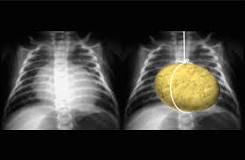
So real quick, here’s 3 slides I found helpful from Dr. Camilo Castillo’s talk yesterday on spine injury. I’m sure there were others, but here’s 3. Obviously these are his, so if you steal these, please reference him.

Thought this was helpful in thinking about level of disability/independence and what my patient in front of me might be able to do down the road, depending on level of injury.
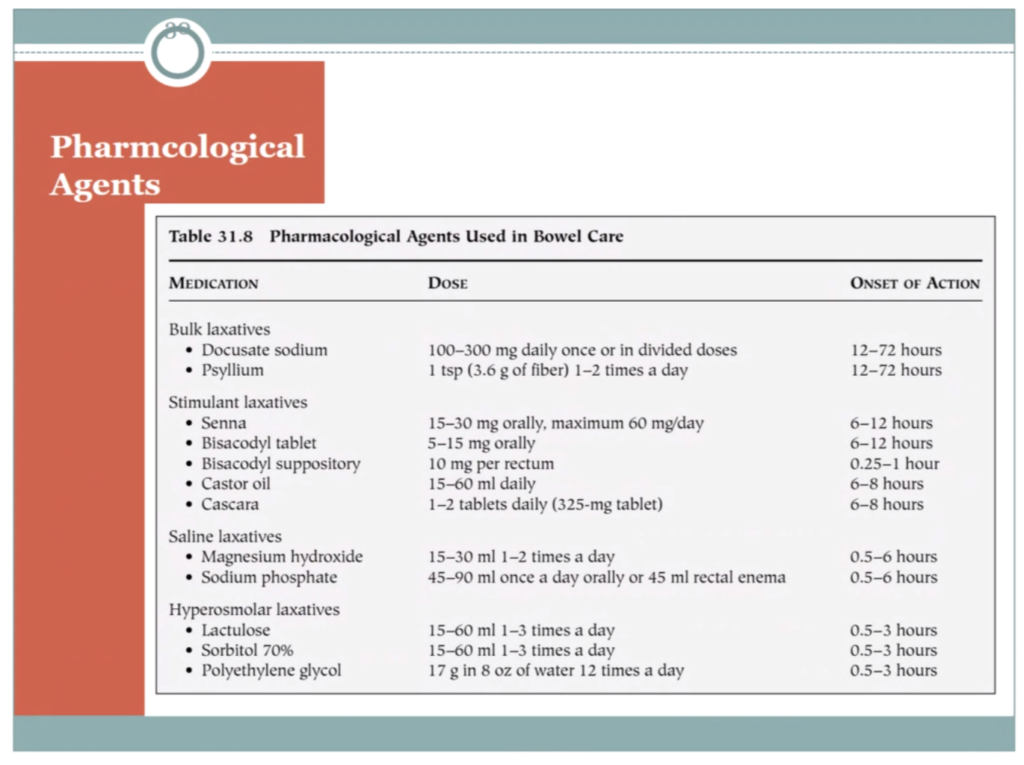
Not exactly “Emergency” medicine, but hey, who doesn’t need a quick summary of all the meds to make people poop?
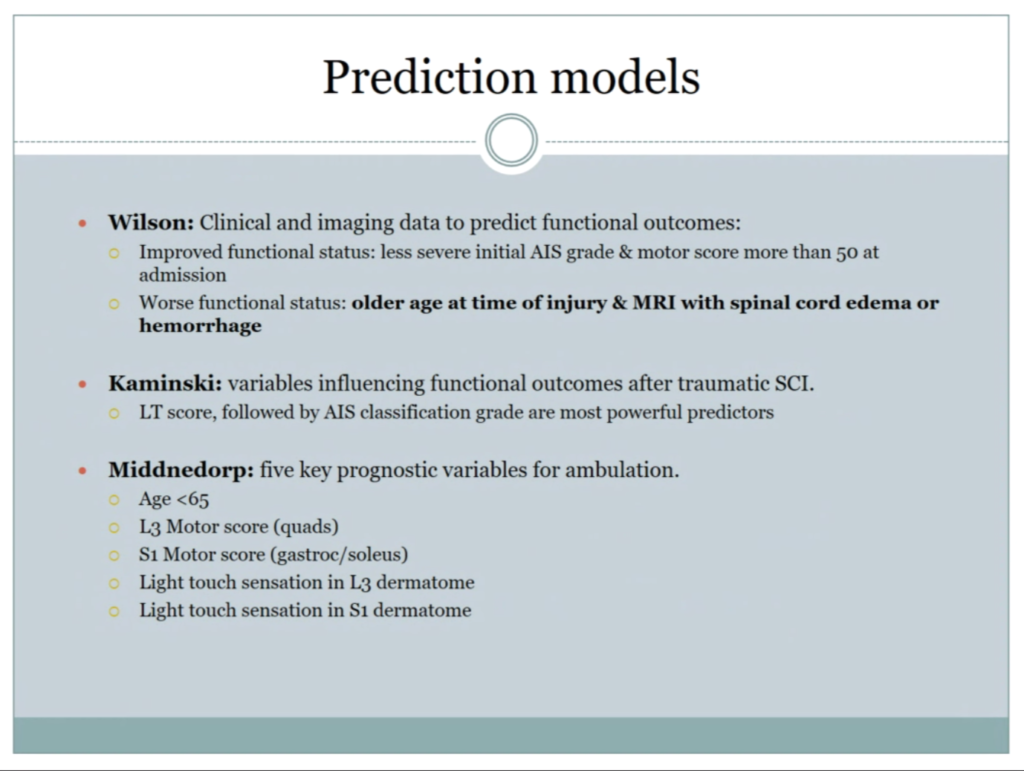
Lastly, thought a few of these were interesting in predicting better vs. worse outcomes. Nothing shocking, but interesting from an exam standpoint if you’re assessing some dermatomes.

Hypotensive (surprise) Aortic Dissection

Interesting case from recently I thought I’d share… a 71 year old female brought by EMS with an unusual report (never happens, right?). Initial call went out for hip pain for the past couple days and well as shortness of breath and not acting right today. Was initially awake, alert, and speaking normally on EMS arrival but developed acute respiratory distress en route and required intubation. On arrival was tachycardic to 130s-140s and had SBP of 100s. Skin was cool and mottled appearing. No obvious external signs of trauma. Pupils equal and reactive. No reported fall but family was unsure. Pretty broad differential at this point, anywhere from PE to intracranial injury to sepsis to MI to …, especially difficult due to lack of context and inconsistent reports.

Chest xray in room 9 showed what appeared to be a widened mediastinum. To fully evaluate for PE vs dissection, we proceeded from room 9 with CTA of chest and abdomen, to also cover for intra-abdominal injury. CT head and cspine were also done and negative. Lactic was elevated at 5, WBC was 32, and troponin was 0.5. Blood pressure began to trend downward, so we continued fluids. CTAs were quickly viewed and demonstrated ascending aortic pseudoaneurysm with rupture due to penetrating ulcer, resulting in mediastinal hematoma and hemopericardium. Blood pressure continued to trend downward into the 70s systolic. We continued fluids, and started blood. Bedside US demonstrated the aforementioned hemopericardium but no signs of tamponade, so we could hold off on pericardiocentesis.. Also placed central line and started pressors. Transferred to Jewish for OR and had definitive repair.

So that went pretty quickly but had some interesting findings. Penetrating aortic ulcer is something I hadn’t seen before but usually occurs secondary to atherosclerosis. Basically the intima of the aorta becomes denuded due to atherosclerotic plaque formation and can progress through the aortic wall, leading to intramural hematoma and eventually dissection and/or perforation. Interestingly, this is not a common cause of dissection, being the initiating lesion in less than 5% of dissection.

Dissection is something we’ve all learned about and something we always have to be concerned for, as they can go pretty badly pretty quickly. Classically, these patients have “tearing chest pain radiating to the back” and are hypertensive, but as this case demonstrates that is not always the case. They can nonspecific complaints or nonspecific exams. CT is the gold standard for diagnosis, chest xray can show the widened mediastinum or obscuration of aortic knob but these are unreliable. If you have a suspicion, best to order CT and act quickly. D-dimer is also emerging as a possible screening modality, as it has demonstrated 97% sensitivity, but has poor specificity (56%). We all know the classic teaching on how to treat these as well, with rate control first (esmolol or labetalol) and BP control if needed (nitroprusside or nicardipine). However, this presumes that they are hypertensive, so what about the hypotensive patient, like we saw? Definitely something to act on quickly and correct. A 2005 study showed that hypotension is not a common characteristic of dissection (29% of patients studied), but had significantly higher mortality than patients without hypotension.

So what can cause hypotension in the dissecting patient? First off, it’s much more common in type A dissections than type B. The most common reasons for these patients to become hypotensive are acute cardiogenic failure and tamponade. The cardiogenic failure can result from involvement of the coronary arteries causing a STEMI, or from aortic valve involvement causing aortic regurgitation. If blood collects in the pericardium, it can cause tamponade, and pretty quickly at that. Tamponade is relatively rare, but has a very high early mortality. Other possible reasons for hypotension can include hypovolemia from blood loss into the chest, or spinal ischemia that can lead to a neurogenic shock.

Awesome, right? So many reasons for hypotension in an already really sick patient. Having these in mind though is very important as it guides management and can be crucial for rapid intervention. Bedside US is quick and can identify a tamponade, and quick pericardiocentesis can stabilize for surgical intervention. Early pressor use can be beneficial in acute cardiogenic or neurologic shock. Of course all of these are stabilizing measures until you can get the patient to a surgeon, but it’s always important to preserve perfusion to those vital organs. Fluids and blood can help with the possibility of volume loss, although that’s a much less common reason. Also be judicious in the patient that is in acute cardiogenic failure.

Thanks for sticking with me on that one. I’ve also included links to video for pericardiocentesis, as it is a procedure we don’t get a ton of practice with. Enjoy!

  • Resources:
  • Tintinalli’s Emergency Medicine 8th Edition, Chapter 59, pages 412-415
  • Uptodate: Overview of acute aortic dissection and other acute aortic syndromes
  • Tsai, T, et al. Clinical Characteristics of Hypotension in Patients with Acute Aortic Dissection. The American Journal of Cardiology Vol 95. January 2005
  • Isselbacher, E., Cigarroa, J., Eagle, K. Cardiac Tamponade Complicating Proximal Aortic Dissection. Circulation. American Heart Association Journals. Volume 90, No 5. Novemnber 1994

PPE Videos

In case any of you need a refresher on donning/doffing PPE, see videos below. The first is on normal PPE. Would recommend skipping to the 5 minute mark or so on the first one.

https://nam03.safelinks.protection.outlook.com/?url=https%3A%2F%2Fwww.youtube.com%2Fwatch%3Fv%3DbG6zISnenPg%26feature%3Dshare_email&data=02%7C01%7Cadam.ross%40louisville.edu%7Cb26b5cd106bc410bc36608d7ce7a6b82%7Cdd246e4a54344e158ae391ad9797b209%7C0%7C0%7C637204897498164783&sdata=src2WeSc06Os21NKeWiSnUC2U5u60ZSoJ37dIzHYNvo%3D&reserved=0

This video below is on the donning/doffing of PAPRs/hoods. We haven’t moved towards using these just yet, and I’ll provide some additional review/education/training in the near future, especially if we begin to push towards using them. Can skip to about the 4 minute mark on this one if you like.

CT Scans-Covid

First off, it’s not currently recommended to perform CT Chest on all suspected Covid patients.

If you’re doing a CT Chest for rule-out Covid-19 you must put this in the order comments/indication. If you’re scanning a patient who is under isolation precautions due to possible Covid, and order a CT PE Protocol, put Possible Covid, Rule-Out PE. The reason behind this is they’ll take the patient to the basement so that they don’t have to shut down the ED scanner. Thanks.

Journal Club January 2020

We had our January journal club at Vines, discussing 3 articles on different topics.

1- The first was an editorial on legal cases related to use of medical stents. The authors highlight the inter-rater difference in assessment of coronary blockages between even advanced interventional cardiologists. This has legal implications as cardiologists are prosecuted for unnecessary procedures. This article is important to EM no as much for the medical content (we don’t place stents), but for the precedent of the legal system prosecuting physicians for doing what they were trained to do.

2- The second article in Annals EM looked at 24,459 ED patients with chest pain who were deemed to require outpatient stress testing. The conclusion: “Less than one third of patients completed outpatient stress testing within the guideline-recommended 3 days after initial evaluation. More important, the low adverse event rates suggest that selective outpatient stress testing is safe. In this cohort of patients selected for outpatient cardiac stress testing in a well-integrated health system, there does not appear to be any associated benefit of stress testing within 3 days, nor within 30 days, compared with those who never received testing at all. The lack of benefit of obtaining timely testing, in combination with low rates of objective adverse events, may warrant reassessment of the current guidelines.” Notice that this does not change guidelines, but ads to the conversation on proper use of resources and how aggressively we should work up chest pain in low risk patients.

3- The final article, the 2018 flu guidelines, sound similar to prior years, with focus of testing and treatment on patients at risk for complications. They do throw in the recommendation to test “if the results might influence antiviral treatment decisions or reduce use of unnecessary antibiotics, further diagnostic testing, and time in the emergency department, or if the results might influence antiviral treatment or chemoprophylaxis decisions for high-risk household contacts.” Physicians should start treatment right away for

  • Persons of any age who are hospitalized with influenza, regardless of illness duration prior to hospitalization (A-II).
  • Outpatients of any age with severe or progressive illness, regardless of illness duration (A-III).
  • Outpatients who are at high risk of complications from influenza, including those with chronic medical conditions and immunocompromised patients (A-II).
  • Children younger than 2 years and adults ≥65 years (A-III).
  • Pregnant women and those within 2 weeks postpartum (A-III).

And we can consider treatment for

  • Outpatients with illness onset ≤2 days before presentation (C-I).
  • Symptomatic outpatients who are household contacts of persons who are at high risk of developing complications from influenza, particularly those who are severely immunocompromised (C-III).
  • Symptomatic healthcare providers who care for patients who are at high risk of developing complications from influenza, particularly those who are severely immunocompromised (C-III).

Hope everyone enjoyed Journal Club, looking forward to the February articles

Congestive heart failure exacerbation management

Most of the third years, and probably the second years at this point, know pretty well how to manage CHF exacerbations. However, there are differences in managing the normotensive vs. hypertensive vs. hypotensive exacerbation, and I’ll try to provide some tricks in managing your run-of-the-mill CHF exacerbation as well (credits to Amal Mattu and Scott Weingart).


First, try to determine the cause of the exacerbation. Determining the cause of the exacerbation, however, can be difficult – most patients aren’t honest about their salt/food/drug intake or medication compliance, or do not understand their disease process. The most common cause of an exacerbation is dietary or medication non-compliance. However, in all cases, ischemia needs to be considered. More rare cases can be valvular dysfunction such as rupture (auscultation or BSUS), myocarditis (check a troponin if it fits the clinical scenario), arrhythmias (check HR and an EKG), hypertensive crisis (often secondary to medication and dietary non-compliance, or drugs), or high-output failure (such as anemia, sepsis, AV-fistula in a dialysis patient, thyrotoxicosis). (1)


Next comes diagnostics. There are debates on whether troponins and BNPs need to be ordered on every CHF exacerbation. For example, many of these patients will have chronically elevated troponins and BNPs, and you’ll be stuck trending them. A BNP is of limited value in the ER except in maybe determining is the patient’s dyspnea secondary to a COPD exacerbation or CHF exacerbation, or if the BNP is normal then it should make you consider alternative diagnoses. Amal Mattu suggests that if you’re going to admit the patient, get everything (CBC, CMP, BNP, trop, EKG, CXR) because the inpatient teams like to trend trops/BNPs (even if the evidence doesn’t really back up trending BNPs). If it’s simply diet or medication non-compliance, you might only need to check electrolytes, because diuretics can cause electrolyte disturbances. ABGs aren’t typically helpful unless the patient is hypoxemic. Overall, not much other testing needs to be done for your non-critically ill patients. (1)


As for management, this becomes tricky because it depends on many things. What is the patient’s blood pressure? What is the cause of their exacerbation? Are they volume-overloaded, euvolemic, or dry? Are they septic? In general you have three goals: decrease the preload, decrease the afterload, and (in some cases) increase LV function. PLEASE watch this Amal Mattu lecture and you will master CHF exacerbations (2). For management, let’s start with the classic hypertensive patient.


Hypertensive patient: The patient’s heart is straining against a high amount of SVR and can’t perfuse their kidneys. Fluid backs up into the lungs. Don’t immediately jump to your loop diuretics (it’s debatable, and should only be done if hyper or maybe euvolemic). We fix this problem by fixing two problem: decreasing the SVR in order to perfuse the kidneys, and decreasing preload to “turn off the faucet” that’s overflowing a bathtub (lungs). Lasix won’t work if you aren’t perfusing the kidneys. One of the best and quickest agents we have is nitroglycerin. You have three options: 0.4mg sublingual tab, nitro paste, and a nitro bolus and drip. Scott Weingart (3) recommends the nitro drip, starting with a bolus of 400 mcg (that’s one sublingual nitro tab) over 2 minutes, and then drop to 100 mcg/min and titrate up until SVR is decreased. Your nurses will often question if you want to start the rate that high, and the answer is yes, but you MUST monitor your patient closely because high doses of nitro can tank your patient’s BP if you aren’t careful. Also, nitro also decreases preload, which can prevent fluid from backing up into the heart and therefore the lungs. (Nitro often gives patients a headache – give ‘em some Tylenol.) This can fix patients in minutes, because you’re redistributing fluid out of the lungs and into the vasculature or the rest of the body! BiPAP will save these patients by pushing fluid out of their lungs and can prevent intubation. The other thing to consider is IV ACE Inhibitors. Enalapril (enalaprilat) is the only IV form we have, and it has to come from pharmacy, but ACE Inhibitors are very good at afterload reduction and will help move the fluid from the lungs into the rest of the body. If nitro isn’t working, consider adding on enalapril.


Normotensive patients: just because their BP isn’t high doesn’t mean you can’t use nitro. However, be judicious, because you don’t want to cause hypotension, but remember that even normotensive patients can tolerate a sublingual nitro without issue. Lasix if clinically volume overloaded. BiPAP as needed for respiratory difficulties. Otherwise, nothing too tricky here.


Hypotensive patients: these are actually your cardiogenic shock patients. They are sick as snot. They could also be septic (! Hi Dr. Shoff), or could be having an MI. Your management of these patients is very difficult and much different than your typical CHF exacerbation management. First, determine if the patient is “warm” or “cold” (feel their extremities), and then determine if “wet” or “dry” (pulmonary edema). (4) The most common presentation is “cold and wet”, but removing fluid from them will make them worse. Obviously, if they have pulmonary edema, do not give them fluid.  HOWEVER, norepinephrine is the best agent to use and is proven in many studies. Epinephrine is your second-line agent. Avoid dopamine (SOAP-II trial demonstrated harm of dopamine vs. norepinephrine). Get basic labs, troponin, BNP, EKG, CXR, lactic acid level, blood cultures, and get reliable access. Get a digoxin level if they’re on dig, or if they can’t tell you if they are. Use BiPAP early for their respiratory status. Your BSUS can greatly aid you in what is going on and how to treat it. If the heart isn’t squeezing well, give drugs to make it do so. If it’s hyperdynamic, maybe the heart isn’t the problem. You can provide inotropic support (epi, milrinone) if on BSUS you see their EF is terrible, and if it’s caused by an MI they need urgent revascularization. Be careful – milrinone can cause hypotension. Digoxin is actually an alternative and can be given IV.


If you want a checklist version in treating the cardiogenic shock patients, Weingart supplied this: https://i2.wp.com/emcrit.org/wp-content/uploads/2016/11/chflist.jpg


Note: A study published in 2017 (5) tried to see if “time-to-furosemide” was beneficial. Initially, the study looks grossly positive (2.3% vs. 6% mortality in the “early” treatment vs “late” treatment arms, respectively), however, “early” was defined as <1 hour and “late” was defined as all furosemide given after 1 hour. You can see the potential issues with this.


(1) https://www.emrap.org/episode/emrap2018august/cardiology

(2) https://www.youtube.com/watch?v=AEKzT98EZHQ

(3) https://emcrit.org/emcrit/scape/

(4) https://emcrit.org/ibcc/chf/

(5) https://www.ncbi.nlm.nih.gov/pubmed/?term=time-to-furosemide


Transvenous Pacemaker Insertion

Wanted to post a couple links for Transvenous Pacemaker insertion. I think it’s mentioned in at least 1 or both, but the preferred site as Tej mentioned is either the right IJ or the Left IJ, followed by the right subclavian, and lastly the left subclavian (save the left subclavian so they can put a permanent pacemaker in here).

This one is unfortunately completely silent, but is annotated well and also has the exact type of pacemaker box we have in the ED (Bay 1, bottom shelf).


This is the one Tej showed by Jess Mason @ EM:RAP.

Hypothermia

Patient presents in cardiac arrest. Found outside on Broadway (all hypothetical). While moving him into EMS truck, patient lost pulse, went into cardiac arrest. Multiple defibrillation and code drugs later, patient maintained to be in v fib. Presents intubated, GCS 3T. On quick secondary survey, patient cold to touch and mottled/cyanotic extremities. ET tube confirmed by auscultation and chest rise. Chem 8 shows nl K, other labs unremarkable. Rectal temp unable to read. Bladder temp reads 75. Go.

We’ve learned some hallmarks of rewarming cardiac arrests. The main point to come is that it will be a slow process that takes a ton of resources. You can find the grading system of hypothermia online; however, here we are specifically talking about severe hypothermia <28C without vitals. Here are my following recommendations:

  1. Have plenty of people in line to do chest compressions, unless you can swipe a Lucas machine from EMS
  2. Start active rewarming early, as it takes a very, very long time. We used the gaymar blanket below the patient, applied the ARCTIC SUN (typically used to cool post cardiac arrest, but can also warm), bear hugger. This sounds like a lot but you will be surprised that this may only warm the body 1-4 C an hour if you are lucky. Keep a temperature sensing foley in or use the one on the Arctic sun. CONTINUE CHEST COMPRESSIONS.
  3. According to Tintinalli’s you can give up to 3 doses of code drugs/defibrillations until above 80. I’ve seen places in the literature to not start shocking again until you have them above 80 degrees and some say as high as 32 C (89F).
  4. Start prepping for more advanced warming. Hypothetically if you were in a place that has ECMO, you would send them straight there as that has the quickest rewarming period of all interventions. However, if you do not have ECMO, then proceed to other means. When doing chest tubes, we preferentially avoided to L side as we were continuing chest compressions and placed 2 on the R side. One anterior mid clavicular line at 2nd intercostal and the other large bore tube on posterior axillary line at 4th/5th. Theoretically I always imagined a closed circuit to continuously reuse and pump warm water in. This was not the case. You can use the rapid transfuser to warm  1L NS and let it run to gravity into the anterior chest tube while clamping the posterior tube, Keep 500cc to 1L in the chest for 15 minutes then let it run into the atrium and bolus another 500cc in. KEEP A TAB ON THE AMOUNT OF FLUIDS GOING IN AS WELL AS OUT. You can also place an NG tube and put war m(40-42C) fluid into the stomach for rewarming. 500cc-1L in the bladder Q15-20 minutes.
  5. Once they get to able 80-ish degrees you may see some change on end tidal or rhythm strip itself. Now begin your regular ACLS, but keep rewarming.
  6. There isn’t much to be found on whether or not to continue with code drugs during the sub 80F. Tintinalli’s is vague on it as well as they note to continue with if it seems to be working. I would opt not to fluid them with epinephrine until you get the body warmed and some warm blood flowing.

Overall: the old adage holds up. “They are not dead until they are warm and dead”

  1. Place a foley for temp
  2. Get Chem 8 to see if resuscitation viable (K>12=not viable)
  3. See if ECMO available
  4. Get med students or a LUCAS machine
  5. Start passive and active rewarming immediately

Sources: Tintinalli’s